Buying guide
Red Dot vs LPVO: Which Rifle Optic Fits How You Shoot
A red dot is faster up close and lighter, and it is the better choice for home defense and most shooting inside about 100 yards. An LPVO (low-power variable optic, usually 1–6x, 1–8x or 1–10x) works like a red dot at 1x and adds magnification to identify and hit targets out to several hundred yards, at the cost of weight, price and a stricter eye position.

By Shawn Levi, Founder, SupplyForge LLC
Published
What is the difference between a red dot and an LPVO?
A red dot projects an illuminated dot onto a lens with no magnification. You can look through it with both eyes open from almost any head position, because it has effectively unlimited eye relief. An LPVO is a short riflescope whose lowest power is 1x (or close to it): turn it down for close work, turn it up to 6x, 8x or 10x to see and shoot farther. It has an illuminated reticle for daylight speed, but like any scope it has an eye box you must line up behind.
| Red dot | LPVO | |
|---|---|---|
| Magnification | None (1x); add a flip-to-side magnifier if needed | Variable, typically 1–6x, 1–8x or 1–10x |
| Speed up close | Fastest; both eyes open, any head position | Close at 1x, but you need a consistent cheek weld |
| Practical range | Most shooting inside about 100 yards | Several hundred yards, depending on the shooter |
| Weight with mount | Light | Heavier (scope plus a cantilever mount) |
| Power | Battery for the dot, often lasting years | Battery only for reticle illumination; the reticle still works without it |
Which is faster: a red dot or an LPVO?
Up close, the red dot. Because the dot stays on target wherever your eye is behind the glass, you can shoot from awkward positions and pick up the dot as soon as the rifle reaches your eye. At 1x an LPVO is close, but if your head is off-center the view darkens at the edges (scope shadow) and you lose a fraction of a second finding the eye box. For home defense or fast close-range shooting, that difference favors the dot.
How far can you shoot with a red dot vs an LPVO?
A dot has a size measured in MOA: a 2 MOA dot covers about 2 inches at 100 yards and about 6 inches at 300. That is fine for a torso-size target at 200 yards, but it hides small targets and you cannot see detail without magnification. An LPVO's magnification lets you identify what you are aiming at and hold precisely at 300 to 500 yards and beyond, which is why it suits hunting in open country and general-purpose rifles.
Is a red dot with a magnifier a good compromise?
It can be. A flip-to-side 3x or 5x magnifier behind a red dot keeps the dot's speed and adds some reach. The trade-offs: two devices to mount and zero, more weight at the rear of the rail, and less magnification than an LPVO at its top end. Magnifiers pair best with red dots that are sized and mounted for them (often labeled for co-witness with the same height).
What do red dots and LPVOs cost?
We list 431 red dots and reflex sights, from $39.99–$3225.99, from 44 brands.
LPVOs number 86, from $104.99–$2591.99, from 16 brands. Budget for a cantilever mount too.
Red dots and reflex sights
All red dots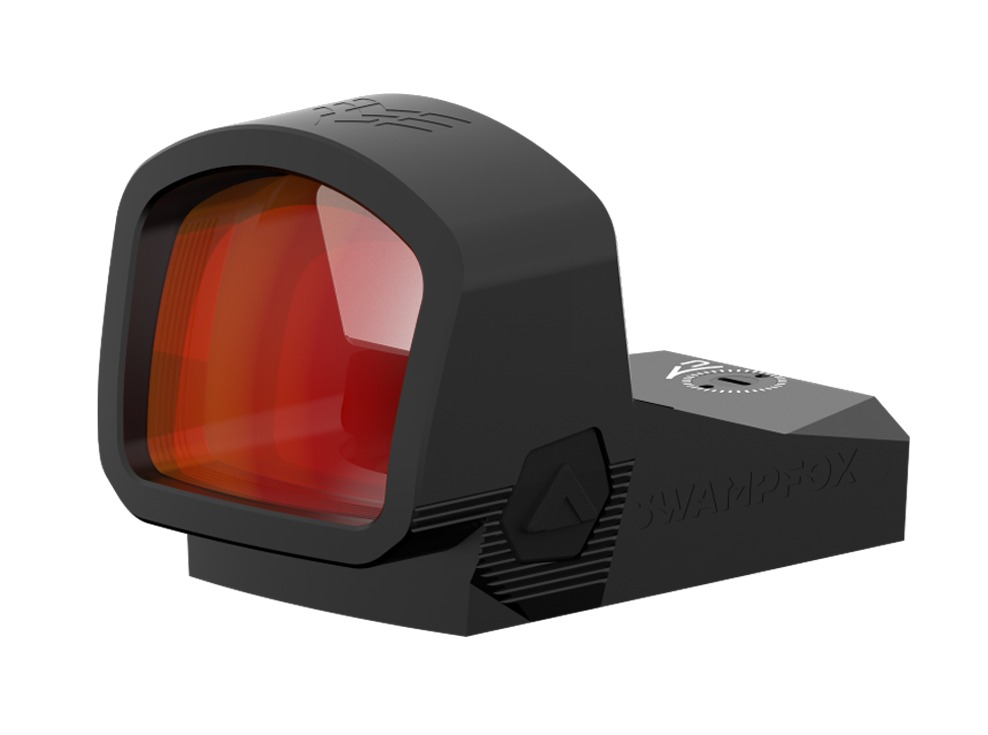


LPVOs
All LPVOs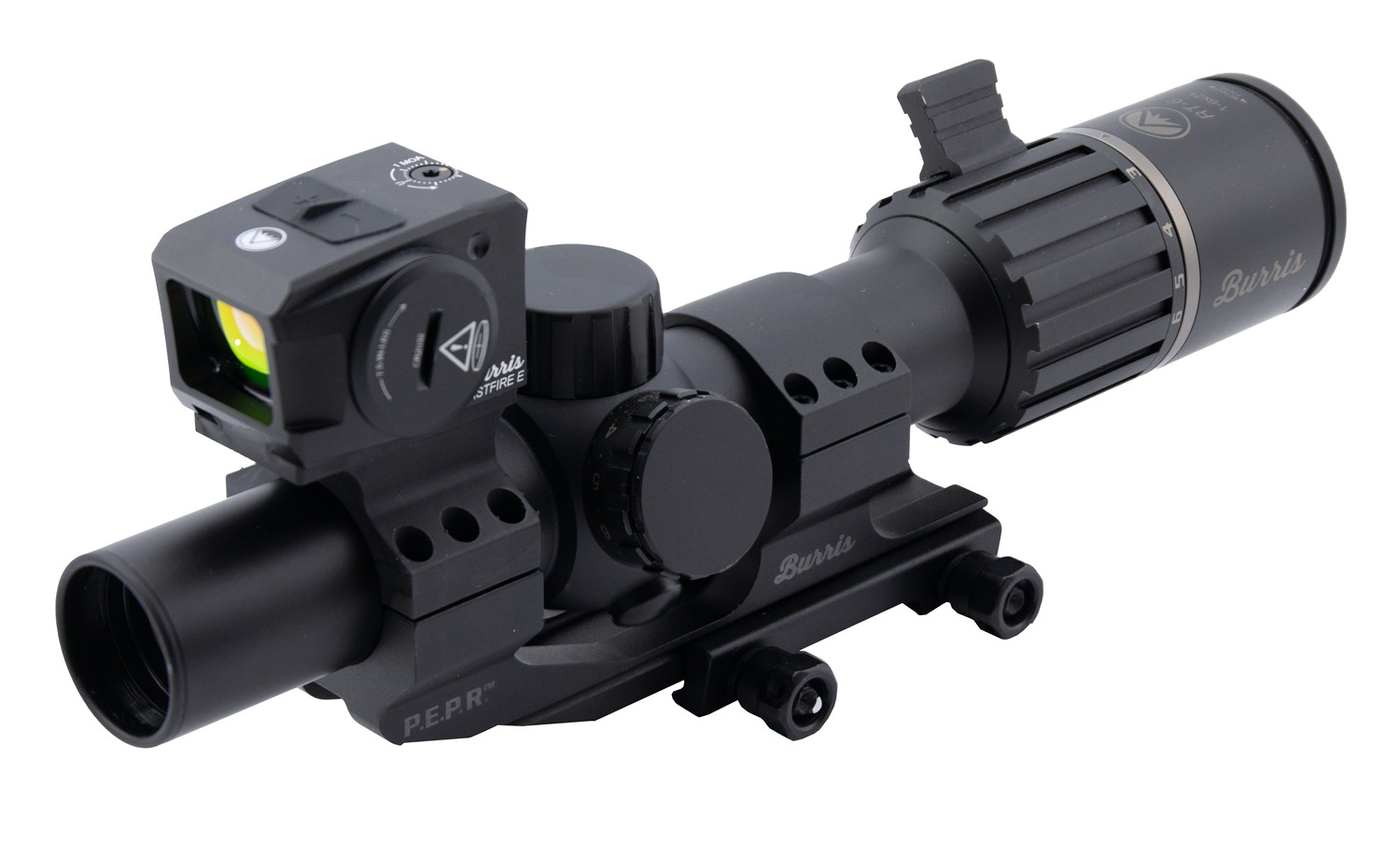

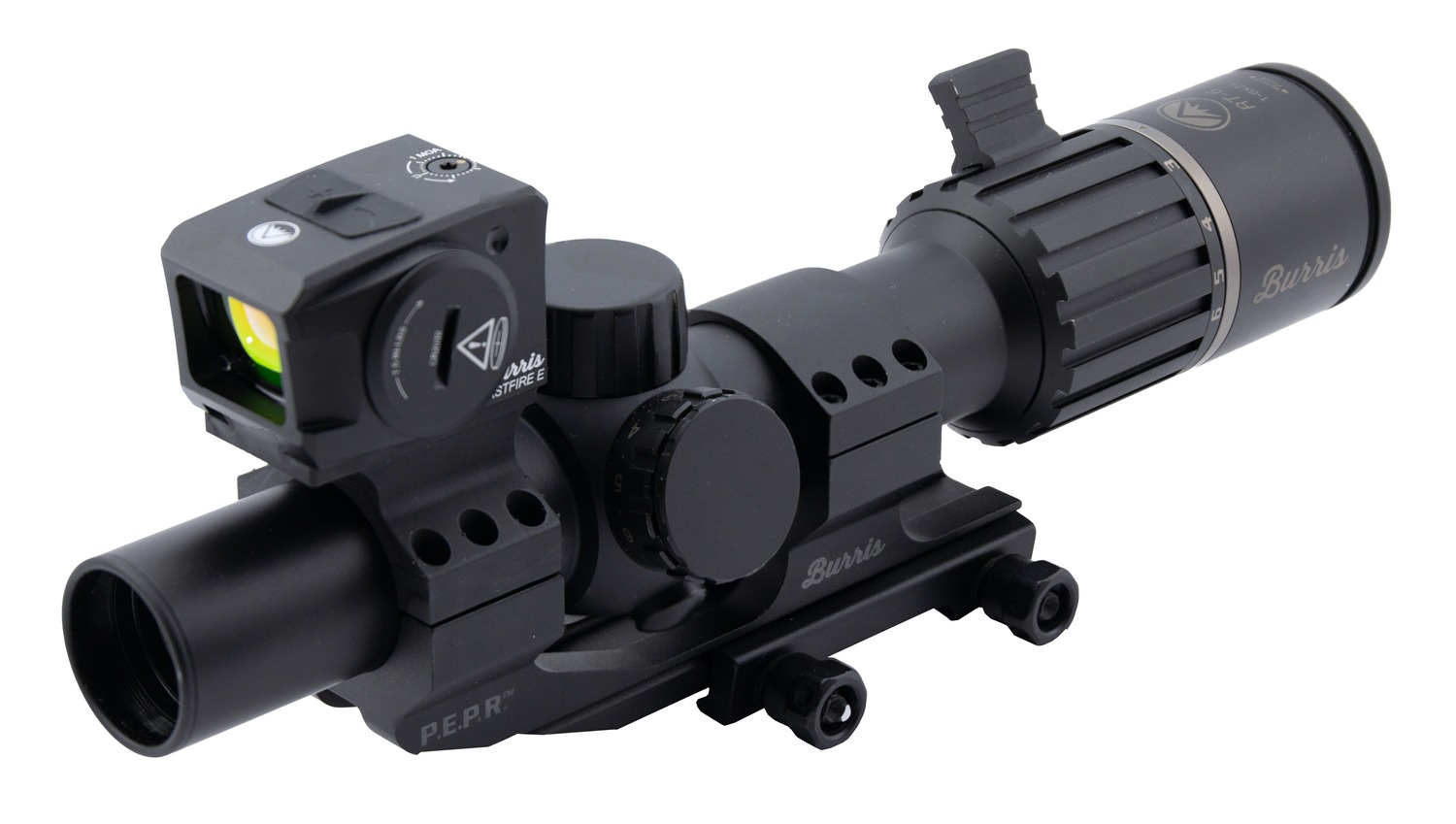
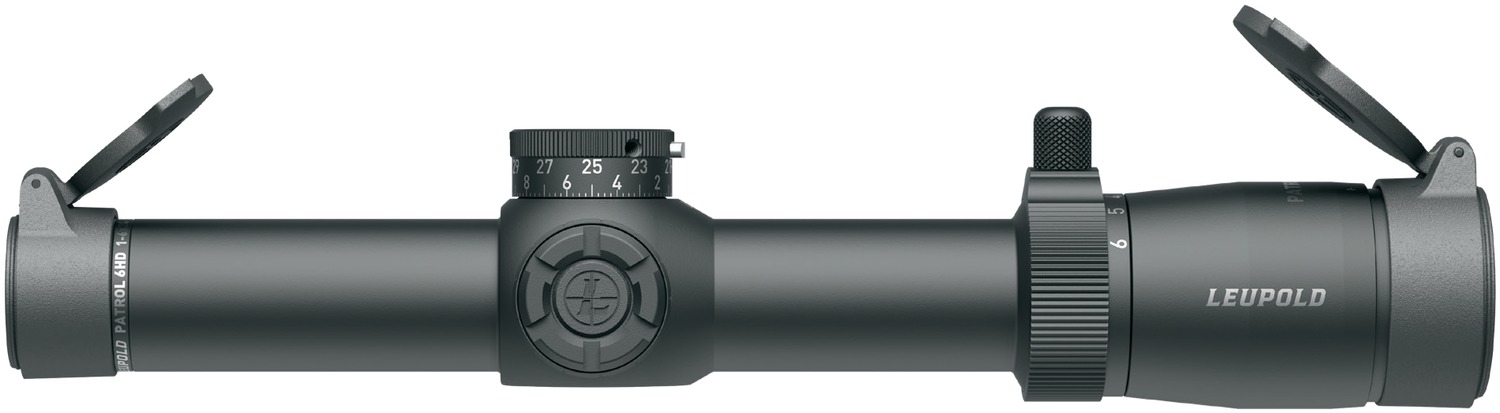

Leupold 185606 Patrol 6HD Gen2 Black 1-6x24mm Illuminated FireDot Duplex Reticle
SS-188932
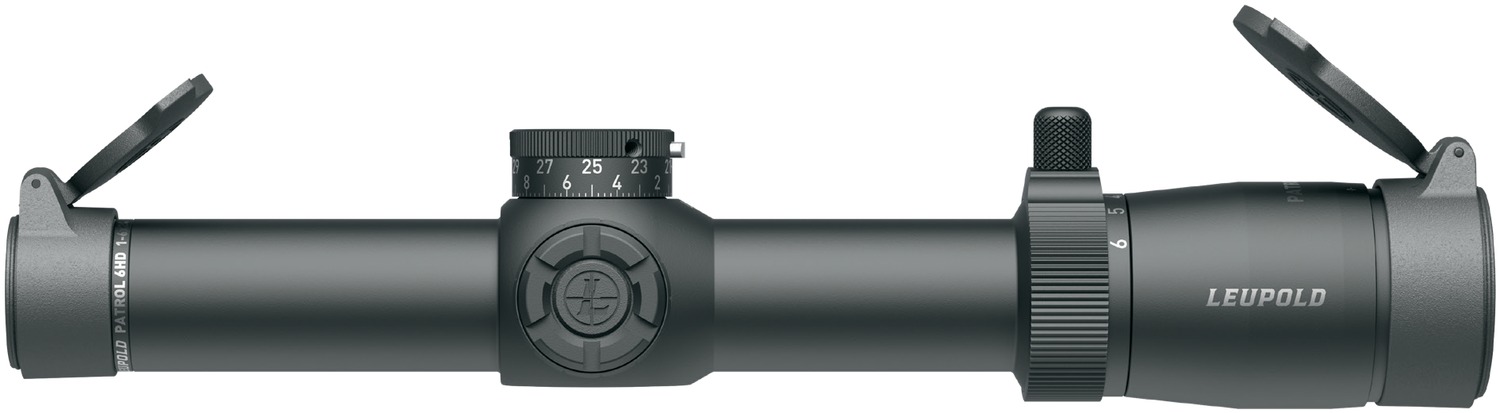
Leupold 185607 Patrol 6HD Gen2 Black 1-6x24mm Illuminated CM-R2 Reticle
SS-188933
Which should I put on an AR-15?
- Home defense, inside the house: a red dot.
- Range, general purpose, some shots past 200 yards: an LPVO, or a red dot with a magnifier.
- Hunting in open country: an LPVO.
Either way, mount it at the right height for an AR's stock: see scope rings and mounts, and the AR-15 accessories checklist for what else to buy first.